Based on the last two years of Nordess projects, battery storage pays for itself in about three years. A 1 MW / 2 MWh battery at a solar park in western Estonia paid back in about two years. Payback depends mainly on which markets the battery earns on, how well it is sized for the site and how quickly it is running.
- Payback is about three years, based on the last two years of Nordess projects; one solar park paid back in about two.
- Markets, sizing and speed to market matter most.
- Prices change, so every site gets its own calculation with the assumptions shown.
The question behind every battery project
Whether it is a park owner, a factory director or a property manager, the conversation always reaches the same point: “How quickly does it pay back?”
The honest answer is that it depends, but not on mystery. It depends on a handful of factors you can see in advance. This article walks through them, shows two real results and explains how we calculate the number for a specific site.
What affects payback most
| Markets the battery earns on | aFRR, mFRR and FCR pay for being ready. Today they bring a large share of battery income. |
|---|---|
| Price swings | The bigger the gap between cheap and expensive hours, the more the battery earns by shifting energy. |
| Battery size and duration | Usually 2- or 4-hour systems. Too big and it sits idle; too small and income is left on the table. |
| Existing grid connection | Using the park's or building's existing connection keeps the investment smaller. |
| Speed | The sooner the battery runs, the sooner it earns, while market conditions are good. |
| Grants | Estonia has grants for energy storage. The retail project was built under a state support programme. |
Where the money comes from
A battery has more than one way to earn, and the best projects use several at once.
- On-site savings. Covering the peaks that set your grid fees and using stored energy instead of buying in expensive hours. For businesses, this comes first.
- Price shifting. Charging when power is cheap and selling or using it when it is expensive. For energy parks, this is the long-term core.
- Reserve markets. Being paid to stand ready for FCR, aFRR and mFRR signals. Today this is a large share of battery income.
Which mix fits depends on the site, which is why the same battery can pay back at very different speeds in two places.
Why a small project can pay back faster
Permits and construction for a large energy project often take one or two years, and the market can change in that time. A small battery next to existing solar, wind or consumption can be running on low voltage in about a month. It starts earning straight away, in today’s market, rather than a year later in a market nobody can predict.
An honest word on risk
Payback is not set in stone. Energy prices change, and reserve market income can fall as more batteries join. For large projects, banks look at the price spread over 18–20 years rather than one good year, and so should you.
Two things work in a battery’s favour. It earns from several markets at once, so it does not depend on one price. And the growth of wind and solar is likely to make price swings larger, which is what a battery earns from.
Examples
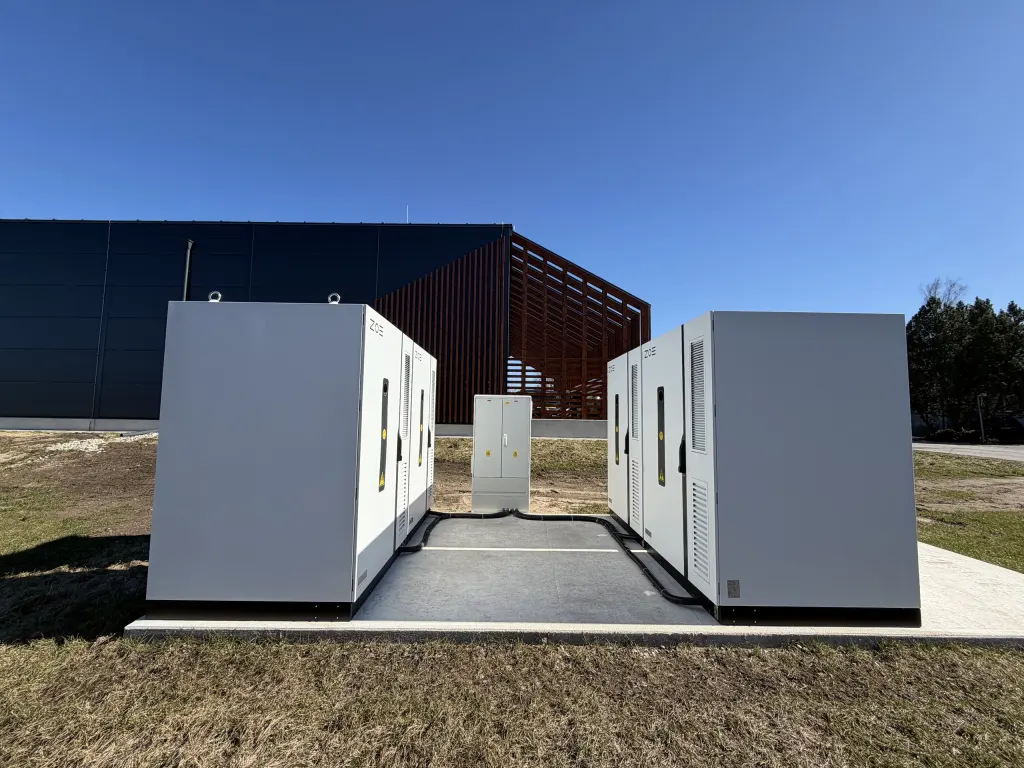
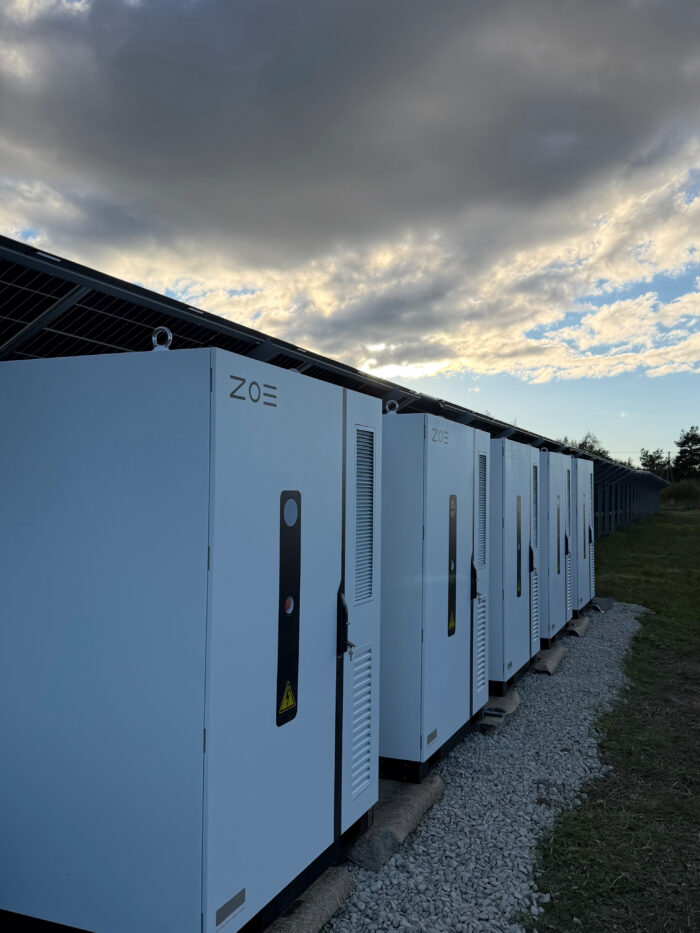
- Western Estonia solar park, 1 MW / 2 MWh: revenue up to 10× compared with solar alone, payback about two years. Reference →
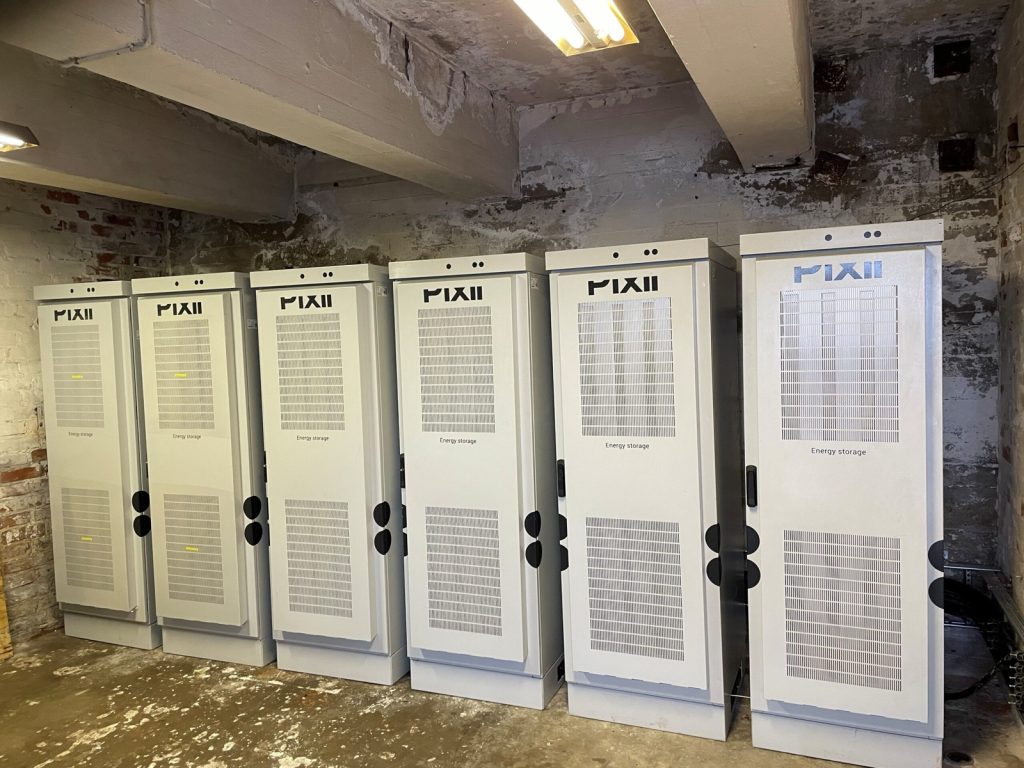
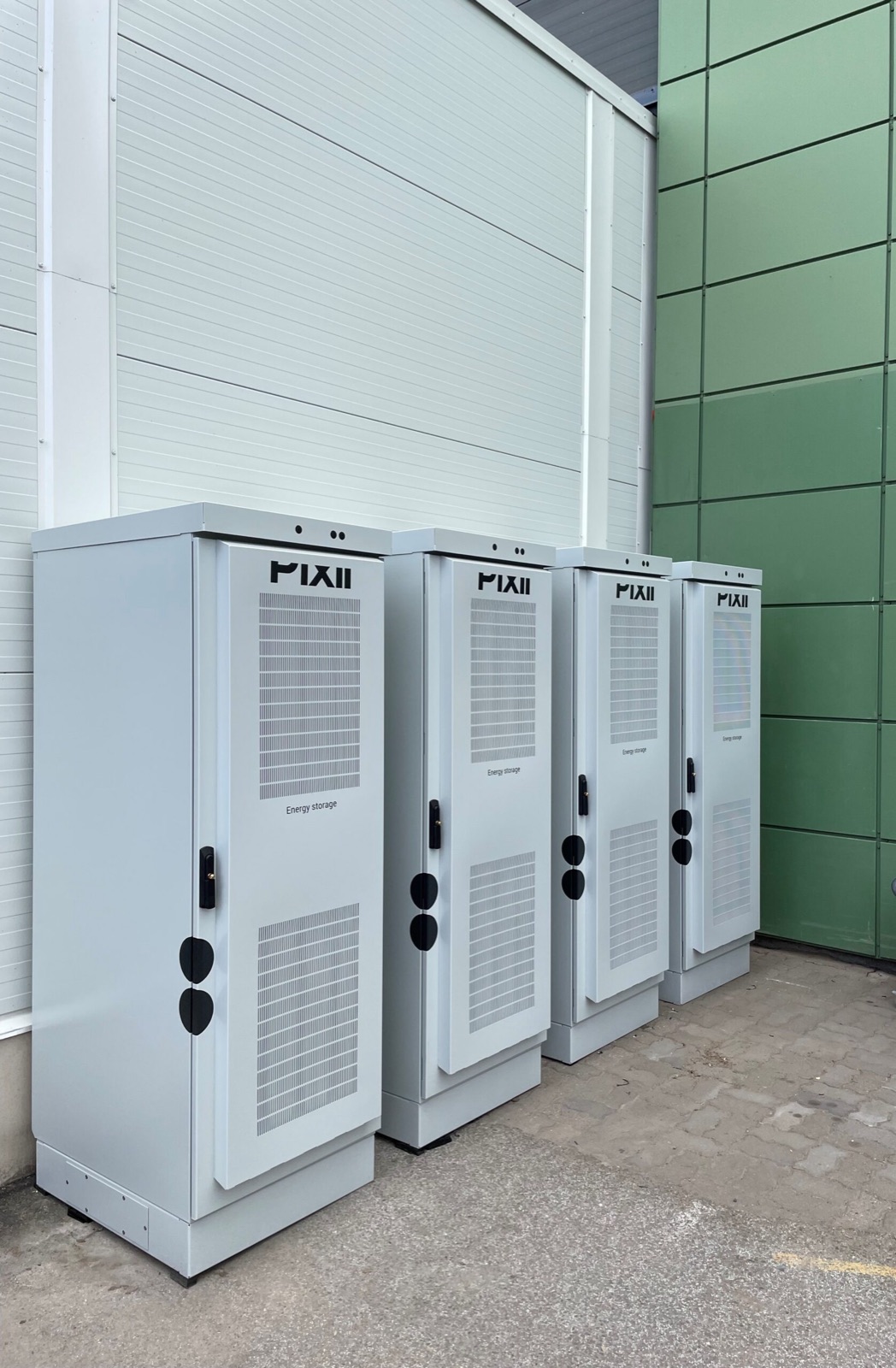
- Three retail stores in southern Estonia, 300 kW / 800 kWh in total: electricity costs up to 30% lower. The client noted the investment outperforms even its retail margins. Reference →
How we calculate payback for your site
- 1. Your data. Consumption or production data, grid connection details and your goal.
- 2. Sizing. Power and storage duration that fit the site, not a catalogue model.
- 3. Markets. Which mix of savings, price shifting and reserves the site can use.
- 4. First estimate. Battery size, savings, income and payback, with the assumptions shown.
- 5. Your decision. Only then do we talk about a contract.
It usually takes a few emails and one or two calls.
Get the numbers for your site
Send us your data, and we come back with a first estimate before any commitment. There are also grants for energy storage in Estonia, and we help with the application.